
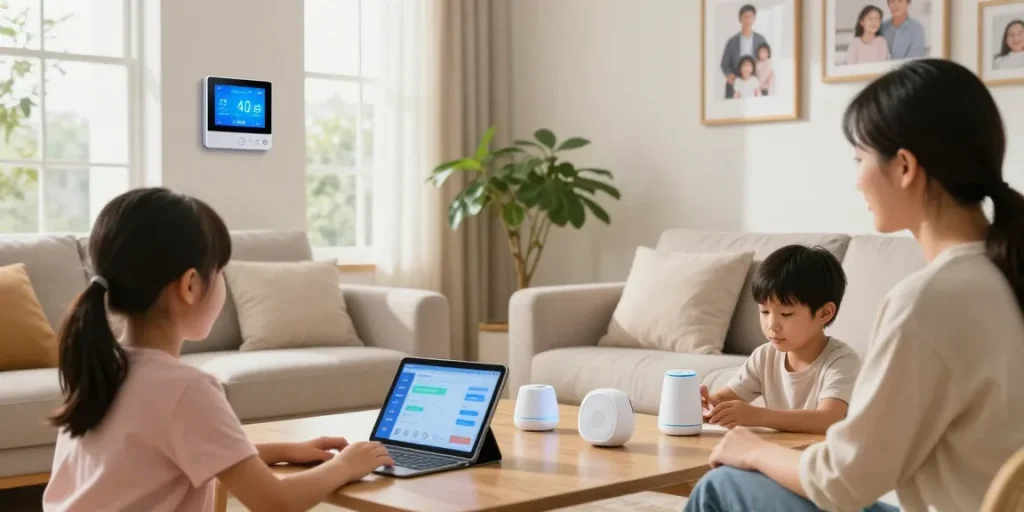
Understanding Smart Thermostats
Smart thermostats have revolutionized the way we control and monitor our home heating and cooling systems. Unlike traditional thermostats, these devices offer advanced features that allow homeowners to manage their energy consumption more effectively. As we progress into 2026, the adoption of smart thermostats continues to rise, with an increasing number of households recognizing their potential for energy savings and comfort. When exploring options, smart thermostat technologies have become integral tools in modern homes.
What is a smart thermostat?
A smart thermostat is a Wi-Fi-enabled device that allows you to remotely manage your home’s heating and cooling systems. They are equipped with sensors and software that enable them to learn your habits and preferences over time. Most smart thermostats can be controlled via smartphone apps, voice commands, or even through integration with other smart home devices.
How smart thermostats work and their benefits
Smart thermostats typically connect to your home Wi-Fi network, allowing access from anywhere. They gather data about your home’s temperature patterns and use algorithms to create schedules that optimize energy usage. The key benefits include:
- Energy Savings: Smart thermostats can significantly reduce your energy bills by optimizing heating and cooling schedules based on your usage patterns.
- Remote Access: Control your thermostat from anywhere through your smartphone, enabling adjustments when you are away from home.
- Integration with Smart Home Devices: They can work seamlessly with other smart devices, such as speakers and lights, enhancing your home’s automation.
- Energy Usage Reports: Many smart thermostats provide insights into your energy consumption, helping you identify opportunities for further savings.
Common misconceptions about smart thermostats
Despite their advantages, several misconceptions persist regarding smart thermostats. Many believe they are too complicated to install or operate. In reality, most models are designed for straightforward installation, often with step-by-step guides provided. Others worry about security risks; however, reputable brands continuously update their software to address security vulnerabilities.
Choosing the Right Smart Thermostat
Selection is crucial when it comes to smart thermostats, as the market offers a variety of options tailored to different needs and HVAC systems. Understanding what to look for can help narrow down your choices.
Key features to look for in a smart thermostat
Some essential features to consider when choosing a smart thermostat include:
- Learning Capability: Look for thermostats that can learn your schedule and adjust themselves accordingly.
- Home/Away Assist: Features that can detect when you are home or away to optimize energy usage accordingly.
- Geofencing: Integration with your smartphone location to automatically adjust settings based on your real-time location.
- Compatibility: Ensure the thermostat is compatible with your specific HVAC system.
- Energy Reports: Monthly summaries detailing your energy usage can help keep you informed and identify potential savings.
Comparing popular smart thermostat brands in 2026
In 2026, several brands dominate the smart thermostat market, each offering unique features and benefits:
- Ecobee: Renowned for its integration with smart home systems and advanced learning capabilities.
- Google Nest: Known for its user-friendly interface and strong learning algorithms, which adapt to your habits.
- Honeywell Home: Offers a range of models, including ones with advanced zoning capabilities and energy-saving features.
- Emerson: Known for its compatibility with multiple HVAC systems and customizable settings.
Smart thermostat compatibility with HVAC systems
Before purchasing a smart thermostat, it’s critical to determine whether it is compatible with your existing HVAC system. Most smart thermostats work well with standard heating and cooling units, but certain models might be tailored for specific systems, such as multi-stage heating. Checking compatibility ensures optimal performance and avoids installation issues.
Installing Your Smart Thermostat
Installing a smart thermostat can seem intimidating, but with the right guidance, even beginners can do it with ease.
Step-by-step installation guide for beginners
Follow these steps for a successful installation:
- Turn off power to your HVAC system for safety.
- Remove the old thermostat, taking note of the wire connections.
- Mount the smart thermostat’s base to the wall using the provided screws.
- Connect the existing wires to the corresponding terminals on the new thermostat.
- Attach the faceplate and turn the power back on.
- Follow the setup instructions via the smartphone app.
Common installation challenges and solutions
Installation can present challenges, but many are easily resolved:
- Wiring Confusion: If you’re unsure about wire connections, refer to the user manual or consult online resources.
- Power Issues: If the thermostat isn’t powering on, double-check the connections and ensure the circuit breaker is functioning.
- Wi-Fi Connectivity: Ensure your Wi-Fi signal is strong in the installation area; consider using Wi-Fi extenders if needed.
How to integrate your smart thermostat with other smart home devices
Integration elevates the smart home experience. Many smart thermostats can work with devices like smart speakers, lights, and security systems. To integrate:
- Ensure all devices are connected to the same Wi-Fi network.
- Use the respective apps to link devices and set up routines (e.g., adjust the thermostat when the security system is armed).
- Explore routines that can automate actions based on triggers like time of day or occupancy.
Maximizing Energy Savings with Smart Thermostats
Once installed, maximizing the efficiency of your thermostat can yield substantial energy savings.
Using energy-saving features effectively
Utilizing energy-saving features ensures optimal savings. Key strategies include:
- Setting Schedules: Program your thermostat to lower or raise temperatures during off-peak hours.
- Using Eco Modes: Engage any eco settings that calibrate the temperature for energy efficiency when the home is unoccupied.
- Adjusting Temperature Gradually: Small adjustments can be more energy-efficient than dramatic temperature changes.
Analyzing energy usage data from your smart thermostat
Most smart thermostats provide insights into your energy usage patterns. Analyzing this data can reveal trends:
- Identify Peaks: Determine when your energy consumption is highest and adjust settings accordingly.
- Monitor Seasonal Changes: Review how energy use fluctuates with changing seasons to better optimize settings.
Tips for optimizing your HVAC settings with smart technology
To further optimize HVAC settings:
- Regular Maintenance: Schedule periodic checks to ensure your HVAC system is running efficiently.
- Use Zone Control: If you have multiple thermostats, consider zoning to maintain efficiency throughout the home.
- Update Firmware: Ensure your thermostat’s software is up to date to benefit from the latest features and optimizations.
Future Trends in Smart Thermostats
As technology advances, smart thermostats are set to evolve significantly, shaping the future of home automation.
Emerging technologies and innovations in 2026
In 2026, we can expect several new developments in smart thermostat technology, such as:
- Enhanced AI Learning: Future models will incorporate even more sophisticated AI for improved learning and efficiency.
- Advanced Sensor Technology: New sensors may better track temperature variations and air quality, providing more accurate data.
Environmental impact and energy efficiency advancements
The environmental benefits of smart thermostats are becoming increasingly important. By optimizing energy usage, these devices help reduce carbon footprints. Expect innovations that further enhance this aspect, such as:
- Integration with Renewable Energy: Smart thermostats may integrate more seamlessly with home solar systems to maximize energy savings.
- Smart Grid Connectivity: Future thermostats may provide real-time data to utility companies, optimizing energy usage across the grid.
Predictions for smart home integration and user experience
The integration of smart thermostats within broader smart home ecosystems will enhance user experience. Future trends include:
- Seamless Voice Integration: Expect deeper integrations with virtual assistants, allowing more intuitive control over all home functions.
- Personalized User Experiences: Smart thermostats will likely adapt to individual preferences, creating a more customized home environment.